
Structure
Application creates the structure for building a business.
Running a business means you are constantly making decisions, taking action, and responding to what comes up throughout the day.
Over time, that effort adds up, but without a consistent way to carry it forward, progress can feel uneven.
Work gets done. Problems get handled. Priorities shift as new things come up.
But it becomes harder to tell what is actually moving the business forward and what simply needs attention in the moment.
Structure creates consistency in how your business operates.
It gives your business a clear way to apply what you learn, execute consistently, and adjust over time so progress can continue without starting over.
From Learning to Application
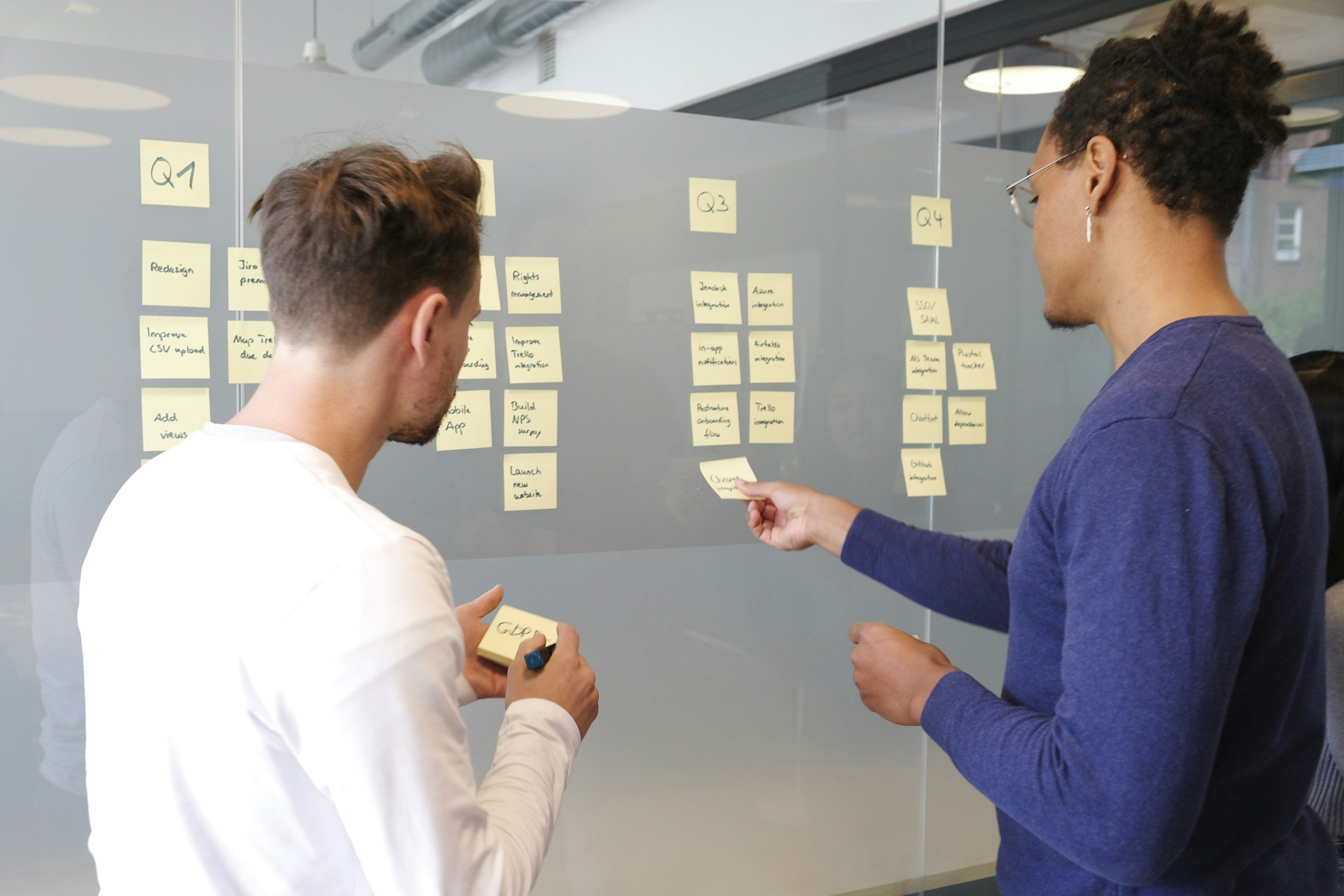
Learning introduces ideas, but application is what turns those ideas into something your business can actually use.
Without a way to apply what you learn, information stays separate from how your business operates.
Structure connects the two by giving you a way to carry what you learn into your day-to-day decisions and actions.
Consistency Creates Progress
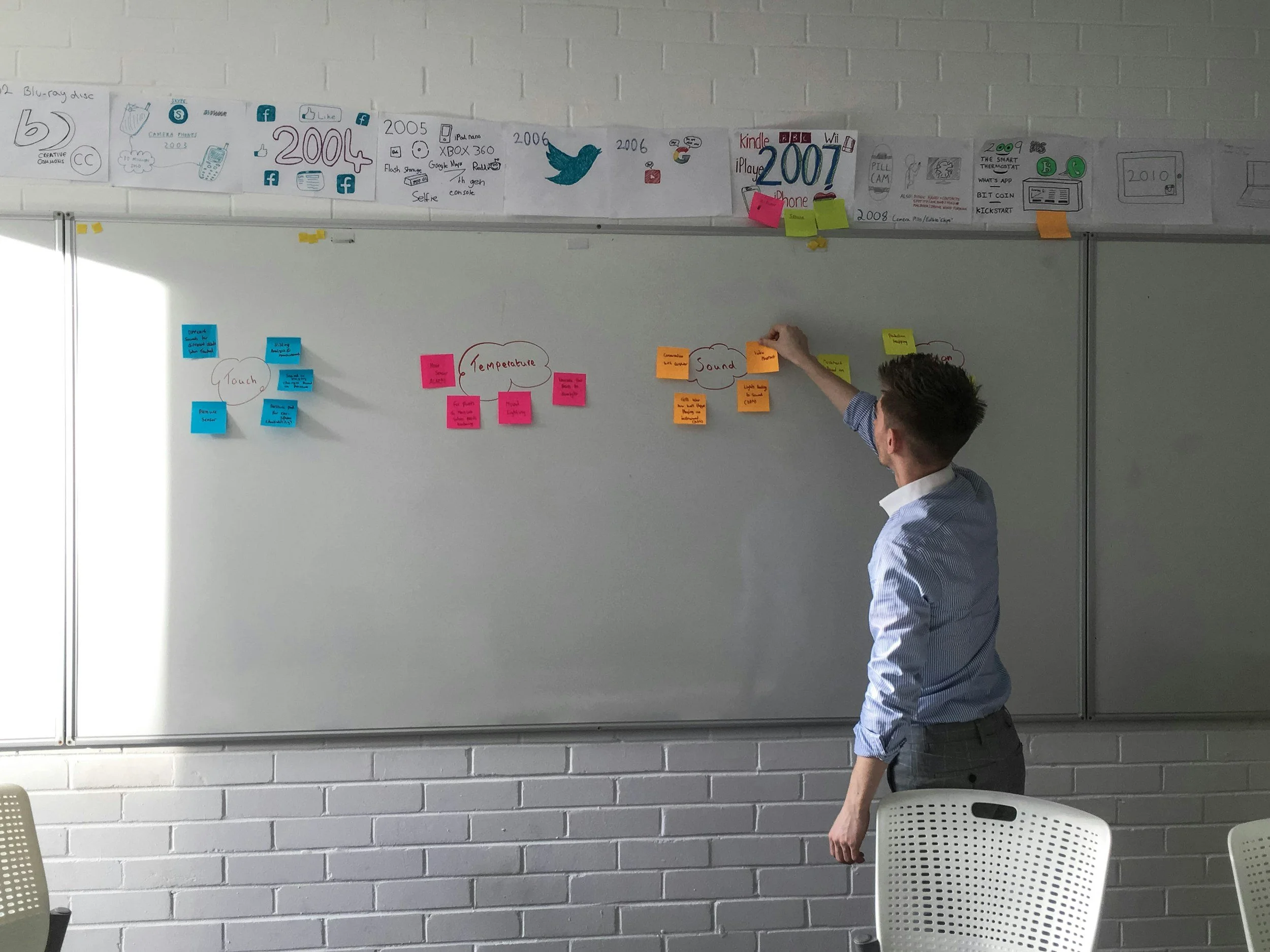
Applying something once does not change how your business runs.
Progress happens when ideas are used consistently over time.
Structure makes that possible by giving your efforts a place to continue, instead of starting over each time something new comes up.
Planning Cycles Create Structure

Structure is built through a repeatable process.
Inside the Business Learning Library, that process is created through Planning Cycles.
Planning Cycles provide a simple way to move from ideas into action, and from action into measurable progress over time.
Instead of trying to improve everything at once, you work in focused cycles that allow progress to build without becoming overwhelming.
Each cycle gives your work a clear direction and a way to carry forward what is already in motion.
A Clear Way to Move Forward
When structure is in place, decisions become easier to make.
You can see what needs attention, what should continue, and what should change.
This allows your business to move forward with intention instead of reacting to everything in the moment.
Structure creates the ability to move forward. The next step is evaluating what is working and where to adjust.